Showing posts with label communication. Show all posts

Friday, December 26, 2025

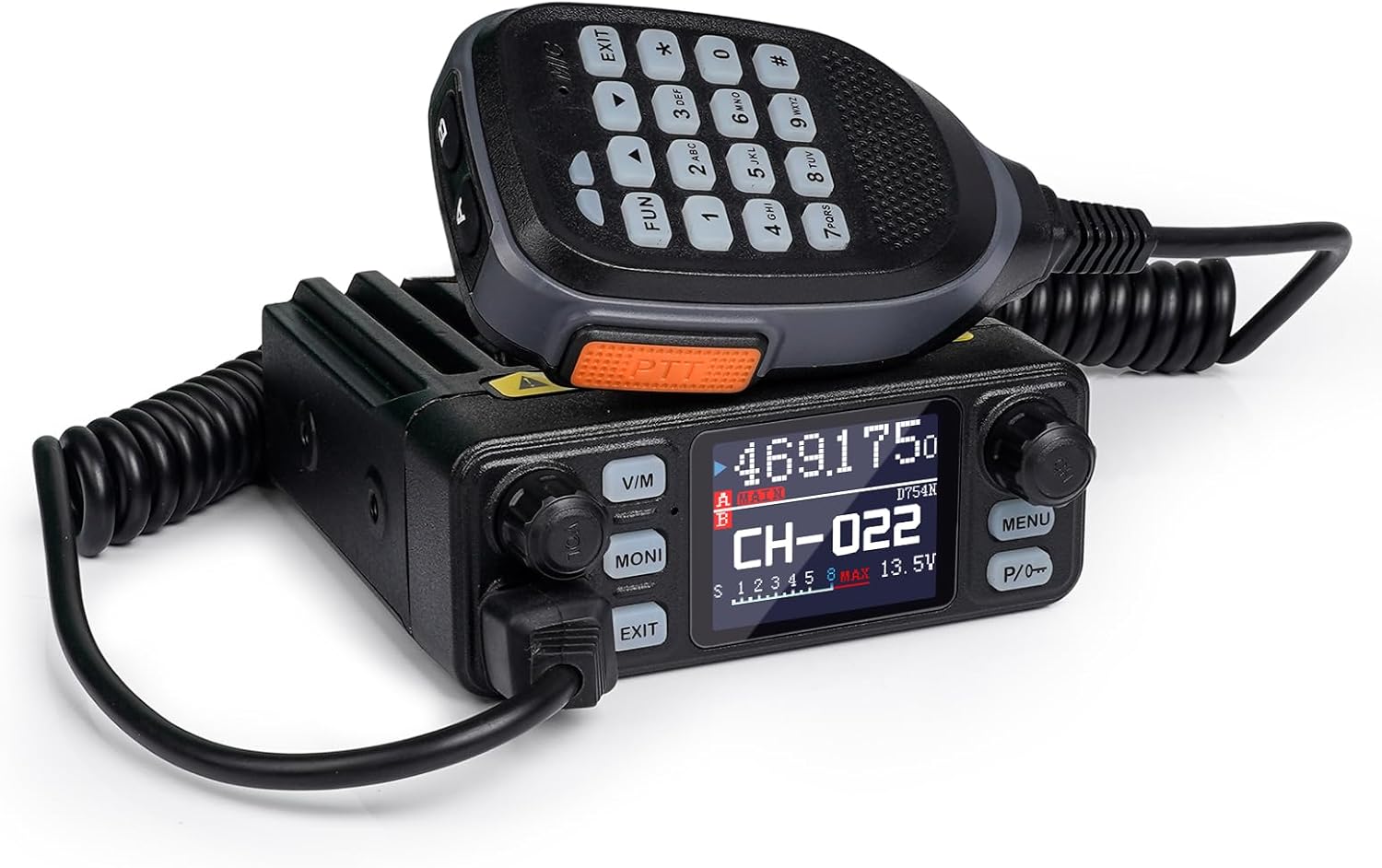
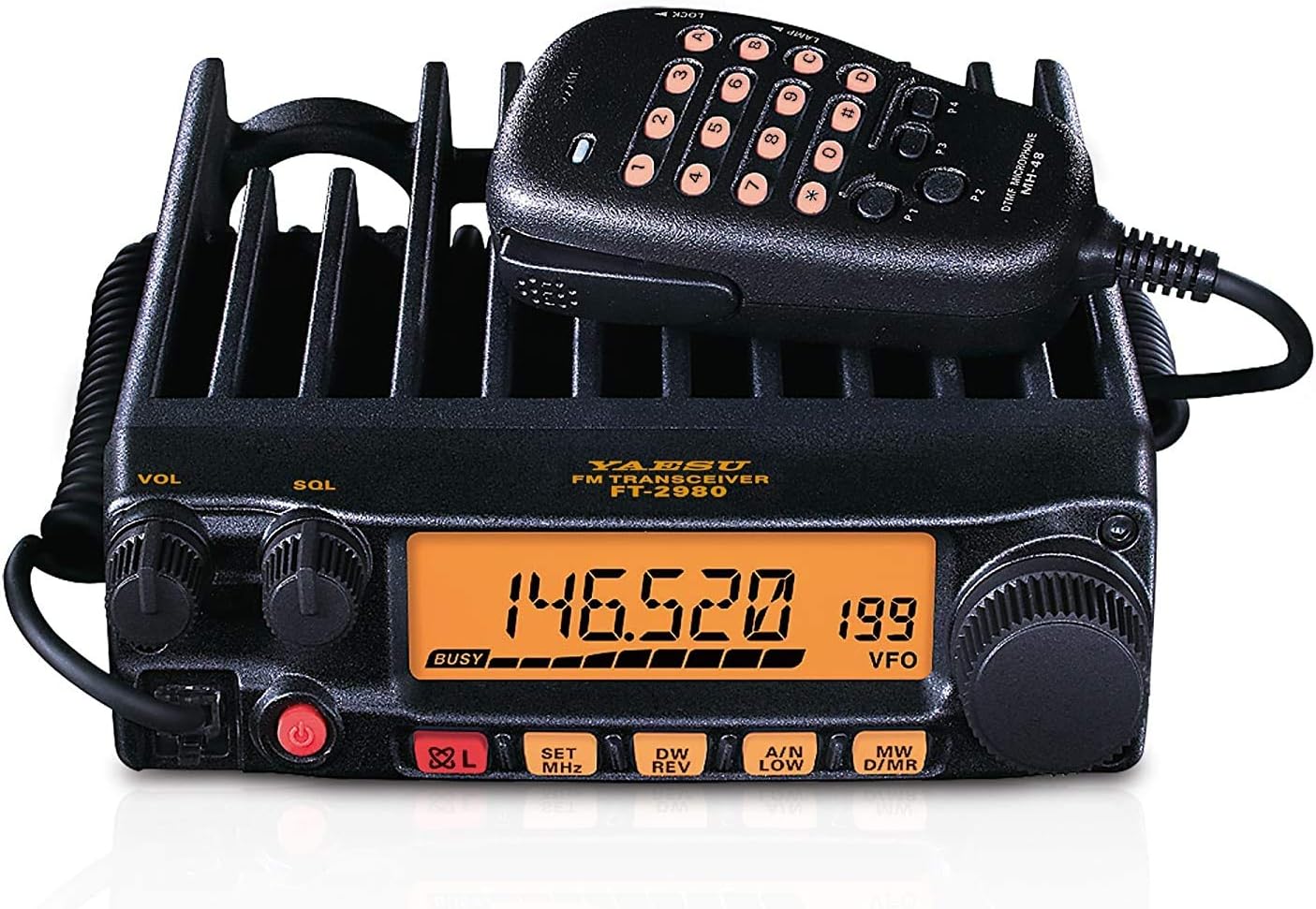
Full In-Depth Review: BTECH UV-50PRO 50W Dual Band Mobile Ham Radio


The BTECH UV-50PRO 50W Dual Band Mobile Ham Radio is designed for amateur radio operators who want a modern, feature-packed mobile transceiver that goes far beyond basic voice communication. With integrated APRS, GPS, Bluetooth app programming, AI noise reduction, and satellite tracking, this radio aims to blend traditional ham radio operation with smart technology normally found in higher-end or specialized equipment.


Overview and Core Features

At its core, the UV-50PRO is a dual band VHF/UHF mobile transceiver built for vehicle or base station use. It operates on the 2 meter and 70 centimeter amateur bands and delivers up to 50 watts of output power, giving it the ability to reach repeaters and make solid simplex contacts over long distances compared to handheld radios.

What makes the UV-50PRO stand out is the amount of advanced functionality built directly into the radio:

  • Built-in APRS for position reporting and messaging

  • Integrated GPS for accurate location data

  • Bluetooth connectivity for wireless programming and audio

  • AI-based noise reduction for clearer transmit and receive audio

  • Satellite tracking with Doppler correction for amateur satellite operation

These features make the UV-50PRO feel less like a traditional mobile radio and more like a communications platform.


Design and Build Quality

The radio is compact for a mobile unit, making it easy to mount in a vehicle without taking up excessive space. The metal chassis feels solid and well constructed, designed to handle vibration, heat, and daily mobile use. The controls are logically laid out, with a clear front display that provides frequency, channel, GPS, and status information at a glance.

The included hand microphone is sturdy and comfortable to use, with responsive buttons and good audio pickup. Mounting hardware and power cabling are included, allowing most users to install the radio quickly without purchasing many extra accessories.


Transmit and Receive Performance

On the air, the UV-50PRO performs well as a dual band mobile transceiver. The transmitter provides strong, clean output on both VHF and UHF, making it reliable for local repeater work, emergency communication, and mobile operations.

The receiver is sensitive and capable, with support for more than just amateur bands. In addition to standard VHF and UHF ham frequencies, the radio can monitor:

This wide receive coverage makes the radio useful not only for amateur radio contacts but also for situational awareness while traveling or operating during severe weather events.

Audio quality is one of the highlights. The built-in speaker is loud and clear, and the AI noise reduction noticeably improves intelligibility in noisy environments such as moving vehicles. On transmit, reports generally indicate clean and natural-sounding audio.


APRS and GPS Functionality

The integrated GPS and APRS capabilities are major advantages of the UV-50PRO. With no external GPS receiver or TNC required, operators can beacon their location, send and receive APRS messages, and track other stations directly from the radio.

This is especially useful for emergency communications, public service events, off-road travel, and group coordination. The ability to automatically report position while mobile adds an extra layer of safety and convenience.

Configuration of APRS settings does require some learning, especially for operators new to packet radio, but once set up, the system works reliably and provides valuable real-time information.


Bluetooth and App Programming

Bluetooth connectivity is another area where the UV-50PRO shines. Using a smartphone app, operators can wirelessly program channels, adjust settings, manage zones, and update firmware without needing a programming cable or computer.

This approach makes programming far more convenient than traditional mobile radios, especially when changes need to be made on the road or in the field. Bluetooth headset support also allows for hands-free operation, which is a significant advantage for mobile users.

While the app is powerful, it may take some time to explore all available options and settings, particularly for users accustomed to simpler radios.


Satellite Tracking Capability

One of the most unique features of the UV-50PRO is its satellite tracking support. The radio can track amateur satellites and automatically adjust for Doppler shift, simplifying satellite communication for operators interested in space-based contacts.

This feature lowers the barrier to entry for amateur satellite work, making it possible to experiment with satellite communications using a single mobile radio rather than a complex multi-radio setup.


Strengths and Advantages

The UV-50PRO offers an impressive feature set at its price point. Having APRS, GPS, Bluetooth programming, AI noise reduction, and satellite tracking all built into one mobile radio provides excellent value. The strong transmit power and clear audio make it well suited for daily mobile use, emergency communication, and outdoor activities.

Its modern design and wireless programming capabilities appeal to operators who want flexibility and ease of use without sacrificing performance.


Potential Drawbacks

With so many features, the UV-50PRO does come with a learning curve. New operators or those unfamiliar with APRS and satellite operation may need time to understand the menus and settings.

Some users may find the interface and documentation less polished than those of more expensive brands, meaning that online tutorials and community discussions can be helpful when exploring advanced functions.


Final Thoughts

The BTECH UV-50PRO is a forward-looking mobile ham radio that blends traditional amateur radio performance with modern digital features. It is well suited for operators who want more than just basic voice communication and appreciate tools like APRS, GPS tracking, and wireless programming.

While it may require some time to fully master, the capabilities offered make it a strong choice for mobile operators, emergency communicators, and tech-savvy hams looking for a versatile and powerful dual band mobile transceiver.

Get The Btech UV-50PRO On Amazon!

Friday, December 19, 2025

Belfone Dual Band Digital Ham Radio Review – Reliable Communication for Outdoor, Hiking, and Emergency Use


The Belfone Dual Band Digital Ham Radio is a versatile and rugged handheld transceiver designed to meet the needs of amateur radio enthusiasts, outdoor adventurers, and emergency preparedness users. Boasting an extensive set of features including 4000 channels, GPS with APRS support, NOAA weather alerts, IP54 water and dust resistance, Bluetooth 5.5 connectivity, and a long-lasting 21-hour battery life, this radio positions itself as a capable all-around communicator. In this review, we will examine its design, performance, features, ease of use, and whether it delivers real value for its intended audience.

Design and Build Quality

Right from unboxing, the Belfone Dual Band radio feels substantial and thoughtfully engineered. Its housing is solid, with textured grips that make it easy to hold even with gloves on or in wet conditions. The IP54 rating means it is protected against limited dust ingress and splashing water, which suits typical outdoor scenarios like hiking or camping. The buttons and knobs are tactile and responsive, and the display is clear with adjustable backlighting for low light use.

Despite its robust feel, the radio remains comfortable to carry for extended periods. The belt clip is sturdy and well-integrated, though some users might prefer an optional wrist strap or harness for more active pursuits. Overall, this radio strikes a good balance between durability and portability.

Display and Interface

The interface on the Belfone radio is intuitive for anyone familiar with handheld transceivers, and reasonably accessible for newcomers with some basic instruction. The screen presents essential information in a readable layout, including frequency, channel, signal strength, battery status, and GPS data when enabled. Menu navigation is straightforward, with logical groupings for settings, scanning, memory channels, and alerts.

The inclusion of customizable function keys is a welcome touch, allowing frequent actions like toggling APRS, initiating a scan, or activating NOAA weather channels without diving deep into menus.

Performance and Reception

On the air, the Belfone Dual Band performs admirably. With support for both VHF and UHF bands, it covers the most commonly used amateur radio frequencies, giving users flexibility for local communication. The receiver is sensitive and clear, with good selectivity that helps reduce interference in crowded radio environments. Transmission power is adequate for typical line-of-sight communication, which is what most handheld users rely on during outdoor activities or local emergency nets.

The 4000 channel capacity provides ample storage for repeaters, simplex channels, weather frequencies, and personalized allocations. Channel programming can be done directly on the radio or via compatible software, a feature enthusiasts will appreciate for organizing and backing up their configurations.

GPS and APRS Capabilities

One of the standout features of this model is its integrated GPS with APRS (Automatic Packet Reporting System). This allows the radio to share real-time position data with other APRS users, which is particularly useful for group hikes, search and rescue operations, or community events. The GPS locks fairly quickly in open environments and maintains a stable fix, enabling reliable tracking and location reporting.

For APRS operation, the display shows relevant data such as coordinates and path settings, and the radio can be configured to send periodic position reports. While APRS implementation on handhelds is never as full-featured as dedicated systems, Belfone’s integration is solid and useful for users who want position awareness without extra devices.

NOAA Weather Alerts

Safety is a priority for outdoor users, and Belfone’s inclusion of NOAA weather alert reception is a valuable feature. The radio can monitor weather channels and automatically alert you to severe weather warnings or watches in your area. This function works quietly in the background and can be a lifesaver when conditions change unexpectedly on a trail or remote campsite.

The weather channel list is easy to update, and the alerts are loud and unambiguous, ensuring you won’t miss important notifications.

Bluetooth 5.5 Connectivity

Bluetooth 5.5 support is another modern touch that separates this radio from more basic models. While Bluetooth on handheld transceivers is still a developing area, this implementation allows for wireless audio accessories, making it easier to use headsets or earpieces without cables in active situations. Pairing is straightforward, and the connection remains stable within typical line-of-sight distances.

This feature enhances user convenience, especially for prolonged use where wired headsets can become cumbersome.

Battery Life and Power Management

Battery life is an area where the Belfone Dual Band really shines. With a 21-hour rated battery life under typical usage, it can comfortably last multiple days of intermittent use without needing a recharge. Even with GPS and Bluetooth enabled, the power management is efficient, and the device will easily carry you through long hikes or multi-day excursions.

Charging is handled via a standard USB port, which adds convenience since users can top up the battery with power banks, solar chargers, or vehicle adapters. Spare batteries are also an option for extended trips where charging opportunities are limited.

Ease of Use and Programming

For new ham operators, the learning curve for handheld radios can be moderate, but Belfone’s design makes it approachable. The manual is clear and helps users get on the air quickly. Menu labels are sensible, and most common actions require only a few button presses.

For more advanced users who want to program dozens or hundreds of channels, software programming via a computer becomes invaluable. The radio supports this, and once set up, it streamlines managing channel lists, setting tones, and labeling memories.

Who Is This Radio Best For

The Belfone Dual Band Digital Ham Radio is an excellent choice for a range of users. Outdoor enthusiasts and hikers will appreciate its rugged design, GPS tracking with APRS, long battery life, and weather alerts. Amateur radio hobbyists will find the dual band performance, extensive channel memory, and programming flexibility satisfying for local communications and nets. Emergency preparedness users will value having a dependable, feature-rich communication tool that works independently of cellular networks.

It may be more feature-rich than what a casual user strictly wants, but for anyone serious about reliable communication in varied environments, it delivers strong performance and versatility.

Conclusion

In a crowded field of handheld ham radios, the Belfone Dual Band Digital stands out by combining robust construction, thoughtful features, and modern connectivity in one package. Its comprehensive feature set makes it suitable for outdoor adventure, daily amateur radio use, and emergency preparedness. With solid performance across reception, GPS/APRS functionality, weather alerts, Bluetooth support, and battery life, it offers excellent value and reliability. Whether you are a seasoned operator or gearing up for your first off-grid excursion, this radio is a capable companion that won’t leave you wanting.

🎄See The Belfone On Amazon!🎄

Saturday, December 13, 2025

Baofeng UV-5R Mini Ham Radio — In-Depth Review


Overview
The Baofeng UV-5R Mini is a compact, budget-minded dual-band handheld transceiver that takes the familiar UV-5R platform and shrinks it into an even more pocketable form while adding a handful of modern conveniences such as USB-C charging and simplified app-based programming options. It aims at new hams and casual users who want a low-cost entry to VHF/UHF operations, local repeaters, NOAA weather monitoring, and short-range emergency communications without a heavy or bulky unit.

Design and Build
Physically, the Mini keeps a straightforward, no-frills layout: a small but readable display, a numeric keypad for direct frequency entry, PTT and function buttons, and a removable antenna. The body is light and compact — easy to carry on a belt or slip into a jacket pocket — and the simpler control layout makes it approachable for beginners. The casing is typically plastic with a matte finish; it’s adequate for everyday handling but not as rugged-feeling as higher-end handhelds.

The USB-C charging port is a welcome, modern update that removes the need for proprietary chargers or older micro-USB cables. Many packages include a rechargeable battery and a basic charger cable; battery capacity varies by seller and bundle but generally supports a full day of casual use. Some bundles include an earpiece/headset; connector type for external audio (3.5mm vs two-pin Kenwood-style) varies by variant, so buyers should check what their specific kit contains.

Radio Performance and RF Features
At its core the UV-5R Mini remains a dual-band VHF/UHF transceiver capable of transmit and receive on the popular 2-meter and 70-centimeter amateur bands. It receives public-service broadcasts and NOAA weather channels, which is useful for monitoring weather alerts and local broadcasts.

Transmit power on most Baofeng handhelds is selectable (high/low) and typically sufficient for simplex work and for hitting nearby repeaters when used with a decent antenna and proper location. Range in real-world terms depends heavily on antenna, terrain, height, local noise, and repeater placement — expect neighborhood to several miles in typical suburban conditions, and substantially farther if you can place the antenna high or use repeaters.

Receiver sensitivity and selectivity are surprisingly capable for the price: the Mini will pull in local repeaters,-weather and aircraft/airband (receive-only, if equipped to) reasonably well. That said, it does not match the front-end filtering or audio fidelity of more expensive commercial or hobbyist radios, so in very crowded RF environments you may notice handling of strong out-of-band signals is not as robust.

Channels, Memory and Features
One of the marketing hooks is large channel memory counts (advertised 999 channels on some models). Practically, the memory system lets you store frequencies, offsets and tones for repeaters, weather channels, and simplex buddies. The front panel allows manual frequency entry and navigation through stored memories.

Other common features include dual-watch/dual-standby (monitor two channels/frequencies), FM broadcast reception, CTCSS/DCS tone support for repeater access, VOX (hands-free transmit), and an emergency alarm function in some firmware versions. The Mini also often includes a “frequency copy” or wireless frequency copy feature allowing two radios of the same model to copy programmed channels to each other without a computer — handy for field operations and quick setup.

Programming: App, Cable, and Software
Programming options are flexible. For users who prefer GUI programming, many sellers bundle a USB programming cable and the radio can be programmed using PC software such as CHIRP — though support and cable compatibility may vary with clones and firmware revisions. The increasingly common alternative is smartphone app programming: a Bluetooth or proprietary app can write frequencies and memories to the radio, which appeals to users who dislike dealing with desktop software. App functionality and reliability vary by vendor and third-party app developer; some apps are straightforward and work well for the basics while others are limited.

If you rely on USB-C for charging only and still need the traditional programming cable, double-check the bundle contents. The radio’s keypad and small screen permit manual programming, but that is slower and error-prone for many channels compared to software upload.

Audio and Accessories
On receive and transmit, audio clarity is acceptable for casual use. Speaker volume is adequate in quiet conditions; in noisy environments or when clear audio is vital, a headset or external speaker improves intelligibility. Many kits include a basic earpiece/mic; higher-quality aftermarket accessories with secure connectors improve comfort and durability.

Common accessory purchases include upgraded antennas (better whip or telescoping designs), high-capacity batteries for longer operating time, belt clips, and carry cases. Antenna upgrades often yield better range and performance than changing radio settings.

Battery Life and Charging
Battery life varies with transmit duty cycle, power level, and battery capacity. For intermittent use (monitoring and occasional transmissions), a standard rechargeable pack typically lasts many hours; for heavy transmit use (net control, long data bursts), life shortens. The USB-C charging option is convenient for field use with power banks and modern chargers — a practical advantage over older micro-USB or proprietary charge ports.

Safety, Regulations, and Practical Use
Important: transmitting on amateur bands requires an appropriate license in most countries (for example, an FCC amateur radio license in the United States). Users should obtain the correct license and operate within permitted frequencies and power limits. Additionally, do not transmit on public safety, aviation, or other restricted frequencies — many handhelds can receive such bands but transmitting there is illegal and dangerous. Learn local regulations and program only authorized frequencies.

Real-World Experience and Usability
For new hams, the Mini is an accessible, low-cost way to learn the basics: making simplex contacts, checking into local repeaters, monitoring NOAA weather, and understanding radio etiquette. Its light weight and small size encourage taking it along on hikes, RV trips, or local events.

Ease-of-use depends on the user’s patience with small menus and a compact keypad. Those comfortable with programming via PC or app will set up the radio quickly. For group deployments or emergency prep, the wireless frequency copy function (if present) and app-based sharing are practical features that speed distributing channel plans among multiple units.

Limitations and Trade-Offs
The UV-5R Mini is a budget device and shows it in several ways: build materials are economical, front-end filtering is limited compared to mid- or high-end handhelds, and audio fidelity and ergonomics are basic. Some users report variability across different batches or vendor clones, so quality control can be inconsistent. The small form factor also means smaller buttons and a smaller display, which can be a nuisance for large-gloved hands or for users who value large, tactile controls.

Many advanced features common in pricier radios — superior receiver front-end, better shielding against strong-signal overload, more robust firmware, superior ergonomics, and more reliable accessory connectors — are absent here. If you plan frequent contesting, serious weak-signal work, or professional-grade reliability, stepping up to a higher-tier radio is worth considering.

Pros and Cons (concise)
Pros: Extremely affordable; pocketable; dual-band VHF/UHF; NOAA/weather receive; USB-C charging; multiple programming options including app and cable; good entry-level feature set.

Cons: Build and audio quality are basic; front-end performance limited in crowded RF environments; possible variation between suppliers/clones; small keypad/display; some bundle inconsistencies (battery size, headset type).

Who Is This Radio For?
The UV-5R Mini is best for beginners who want an inexpensive, portable way to get on the air and learn. It’s useful for hikers, campers, event volunteers, and anyone who wants a low-cost handheld for local communications, weather monitoring, and basic repeater use. It is less suited to users requiring professional durability, heavy-duty contest performance, or the best possible receiver performance in noisy RF environments.

Verdict
The Baofeng UV-5R Mini delivers a compelling value proposition for its price: a compact, modernized take on a popular low-cost handheld platform that includes practical updates like USB-C charging and app-friendly programming. It won’t match the refinement or performance of mid-range handhelds, but for newcomers, hobbyists on a budget, and those needing a light, inexpensive backup radio, it’s an attractive choice. As with any inexpensive radio, buyers should be mindful of bundle differences, confirm exact features before purchase, and plan on learning basic programming and radio etiquette to get the most out of it.

Final Notes and Tips
Learn the local band plan and licensing requirements where you live. Program NOAA weather channels and a few local repeater memories before heading out. Invest in a better antenna and a spare battery if you expect regular use. Use the radio’s lower power setting for short-range contacts to conserve battery life, and reserve high power for reaching distant repeaters when needed.

🎅See The Baofeng Mini On Amazon!🎅

Saturday, December 6, 2025

McBazel Surecom SW-112HF — In-Depth Review


Introduction
The Mcbazel Surecom SW-112HF is a compact V.S.W.R. and power meter designed for HF radio operators who need a simple, affordable way to measure forward power, reflected power, and standing wave ratio. It covers a wide portion of the HF spectrum, offers an analogue-style meter with backlighting, and supports up to 120 watts of power. This makes it a practical tool for everyday amateur radio use, field work, and antenna troubleshooting.

What It Is
The SW-112HF is built for HF bands from 1.5 to 60 MHz. It uses an analogue meter to show forward and reflected power, and it can also display SWR. The power handling rating reaches up to 120 watts, which is suitable for most HF transceivers operating at standard output levels. The unit uses SO-239 connectors and includes a backlit meter powered by an external DC source between 5 and 12 volts.

Build, Fit and Finish
The meter is small, lightweight, and easy to place in any radio setup. Its plastic housing and clear analogue meter cover feel typical for compact test gear, giving it a serviceable and practical appearance. The backlight improves readability in dim environments, which is especially helpful during mobile operations or evening tuning. The overall build is functional rather than premium, but appropriate for its price point.

User Interface and Ergonomics
The SW-112HF is extremely simple to operate. You insert it between your radio and antenna, apply power to the backlight if needed, key your transmitter, and observe the meter. The analogue needle gives immediate visual response, making it easy to spot issues such as high reflected power or poor antenna performance. There are no complicated menus or digital settings, making the unit ideal for beginners or quick field work.

Performance and Accuracy
The meter provides readings that are generally accurate enough for everyday troubleshooting, though not at the precision level of professional lab instruments. Expect the measurements to be best used for approximate tuning, antenna diagnostics, and ensuring your setup is safe for your radio. It excels at identifying major issues such as broken antenna elements, bad coax connections, or excessively high SWR. For tasks requiring calibration-grade accuracy, a higher-end meter or analyzer would be more appropriate.

Tips for Getting the Best Readings
Place the meter as close to the radio as possible using a short, high-quality jumper cable. Use a steady carrier such as AM, FM, or CW for consistent readings. SSB voice peaks will cause the needle to fluctuate, so for the most repeatable results, use a carrier mode during testing. Remember that this type of meter is best for practical measurements rather than precise laboratory data.

Pros
• Extremely simple to use
• Portable and lightweight
Covers the entire HF range from 1.5 to 60 MHz
• Useful analogue meter with backlight
• Affordable and suitable for field work or beginners
• Provides immediate visual feedback

Cons
• Accuracy is adequate but not precise enough for calibration work
• Analogue display requires careful interpretation
Limited to SO-239 connectors unless adapters are used
• Not designed for advanced analysis or frequency sweeps

Who This Is For
The SW-112HF is ideal for amateur radio operators who need a no-nonsense, low-cost meter for quick checks. It works well for field operations, mobile installations, and everyday antenna diagnostics. New hams will appreciate its simplicity. Advanced users who require precise measurements may want to pair it with more sophisticated equipment.

Comparisons
Compared to digital SWR meters or antenna analyzers, the SW-112HF trades numeric precision and advanced features for simplicity and cost savings. If you rely on visual response and only need to confirm whether an antenna is performing correctly, its analogue readout can be more intuitive than digital numbers. For plotting antenna resonance or performing detailed testing, however, a more advanced analyzer is the better choice.

Final Verdict
The Mcbazel Surecom SW-112HF is a practical and reliable tool for basic HF antenna and power testing. Its analogue meter, broad frequency coverage, and straightforward operation make it an excellent choice for quick diagnostics and field use. While it is not a precision instrument, it is more than capable of identifying problems and giving you the information needed to keep your HF station operating safely. For its price and simplicity, it offers solid value to the everyday amateur radio operator.

See The Mcbazel Surecom On Amazon!

Monday, August 11, 2025

Understanding Ham Radio Bands


Ham radio bands are portions of the radio spectrum allocated for amateur radio use. Each band corresponds to a specific range of frequencies, typically identified by wavelength in meters or by frequency in megahertz. Lower frequency bands have longer wavelengths and tend to travel farther, especially at night, while higher frequency bands often allow for local or line-of-sight communication with less interference.

The characteristics of a band are shaped by several factors:

  • Wavelength: Longer wavelengths travel farther and bend around obstacles better.

  • Propagation: How signals reflect, refract, or are absorbed in the atmosphere.

  • Time of Day: Some bands work best during daylight, others at night.

  • Solar Activity: Higher solar activity can enhance high-frequency propagation.


160 Meters (1.8 – 2.0 MHz)

How it works:
Known as the "Top Band," 160 meters behaves like the AM broadcast band. Signals can travel hundreds of miles at night through groundwave and skywave propagation, but daytime range is usually much shorter due to absorption by the ionosphere.

Best for:

  • Long-distance nighttime communication.

  • Experimental antennas and low-frequency propagation studies.

When to use:
At night for regional to continental contacts, especially in winter when static is lower.


80 Meters (3.5 – 4.0 MHz)

How it works:
A strong nighttime band with excellent regional coverage. During the day, it is mostly limited to short-range contacts due to ionospheric absorption.

Best for:

  • Nighttime nets and ragchewing.

  • Emergency communications covering a few hundred miles.

When to use:
Evenings and nighttime for stable, reliable communication.


60 Meters (5.3 MHz)

How it works:
This is a shared band with specific channels and power limits. It often bridges the gap between 80 and 40 meters, working well for medium-range contacts both day and night.

Best for:

  • Emergency communications.

  • Consistent regional coverage.

When to use:
When 80 meters is too noisy or dead during the day, and 40 meters is too long-range for your needs.


40 Meters (7.0 – 7.3 MHz)

How it works:
A versatile band with excellent regional coverage during the day and long-distance capability at night. Often considered the "workhorse" of HF.

Best for:

  • Daytime communications over a few hundred miles.

  • Nighttime DX (long-distance contacts).

When to use:
Day for regional nets, night for chasing distant stations.


30 Meters (10.1 – 10.15 MHz)

How it works:
Primarily used for digital modes and CW (Morse code). It offers stable propagation nearly all day and night with low noise levels.

Best for:

  • Long-distance digital and CW contacts.

  • Quiet band for low-power operations.

When to use:
When other bands are noisy or crowded, especially for digital modes.


20 Meters (14.0 – 14.35 MHz)

How it works:
The most popular DX band. Signals travel worldwide during daylight and into the evening. Propagation is influenced by solar activity.

Best for:

  • Worldwide communication.

  • DX contests and expeditions.

When to use:
Daytime for global contacts; remains open later during high solar activity.


17 Meters (18.068 – 18.168 MHz)

How it works:
A quieter band with less congestion. Offers good long-distance propagation during daylight hours and is less affected by contest activity.

Best for:

  • Relaxed long-distance contacts.

  • Avoiding heavy competition for contacts.

When to use:
Daylight hours, especially during solar peak conditions.


15 Meters (21.0 – 21.45 MHz)

How it works:
Excellent DX potential when the solar cycle is favorable. It can open early and stay active through the afternoon.

Best for:

  • Worldwide contacts with small antennas.

  • High-energy contests and pileups.

When to use:
Late morning to late afternoon during active solar conditions.


12 Meters (24.89 – 24.99 MHz)

How it works:
Similar to 10 meters but slightly more stable. Offers great DX when propagation is favorable, often with less noise.

Best for:

  • Daytime DX.

  • Experimenting with small portable antennas.

When to use:
Daylight hours during solar peaks.


10 Meters (28.0 – 29.7 MHz)

How it works:
When the solar cycle is strong, 10 meters can provide worldwide communication using very little power. At solar minimum, it works mostly for local and regional contacts.

Best for:

  • DX during solar peaks.

  • Short-range communications at other times.

When to use:
Daytime during high solar activity for DX; local use otherwise.


6 Meters (50 – 54 MHz)

How it works:
The “Magic Band” that can act like HF or VHF depending on conditions. Sporadic-E propagation can allow long-distance contacts unexpectedly.

Best for:

  • Surprise DX openings.

  • Local communication when HF is poor.

When to use:
Late spring and summer for sporadic-E; local year-round.


2 Meters (144 – 148 MHz)

How it works:
Primarily line-of-sight VHF communication, but can reach farther via tropospheric ducting. Common for FM repeaters, simplex, and satellites.

Best for:

  • Local and regional voice communications.

  • Emergency response and public service.

When to use:
Any time for local contacts; watch for rare tropospheric openings.


1.25 Meters (222 – 225 MHz)

How it works:
Less common in some regions but offers clear, quiet FM and repeater use. Propagation is similar to 2 meters with slightly less range.

Best for:

  • Local contacts without congestion.

  • Niche repeater systems.

When to use:
For quiet, interference-free local operations.


70 Centimeters (420 – 450 MHz)

How it works:
UHF with excellent penetration in urban areas. Mostly line-of-sight, with range influenced by terrain and building density.

Best for:

  • Repeater and portable operations.

  • ATV (Amateur Television) and digital voice.

When to use:
Any time, especially for city communications.


33 Centimeters (902 – 928 MHz) and Higher

How it works:
Primarily for local, experimental, and digital applications. Limited range but high data potential.

Best for:

  • Short-range links.

  • High-speed data and control systems.

When to use:
Specialized applications and technical experiments.


Final Thoughts

Each ham radio band is like a unique road through the radio spectrum, each with its own speed limits, scenery, and best seasons for travel. Understanding their characteristics allows operators to choose the right “road” for the journey — whether that’s chatting with a neighbor across town, checking in on an emergency net, or making a rare contact halfway around the world.

Full In-Depth Review: BTECH UV-50PRO 50W Dual Band Mobile Ham Radio

The BTECH UV-50PRO 50W Dual Band Mobile Ham Radio is designed for amateur radio operators who want a modern, feature-packed mobile transc...

Search This Blog