Friday, April 17, 2026

Anytone AT-778UV Dual Band Mobile Radio Review


Introduction

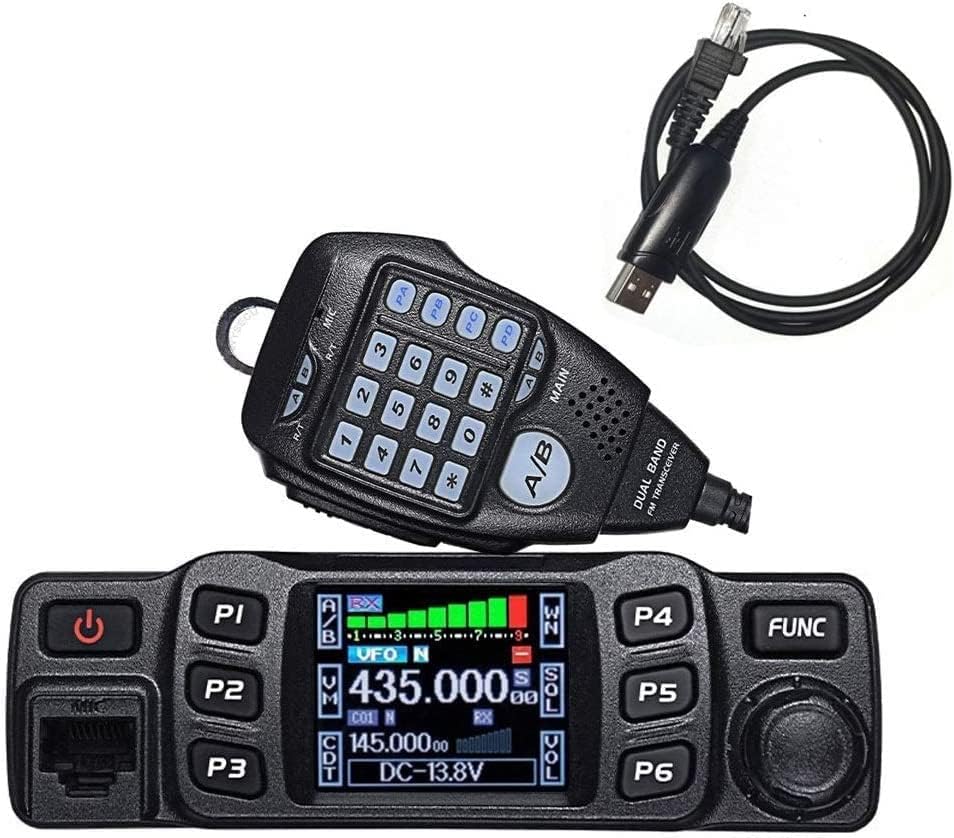
The Anytone AT-778UV is a compact dual-band mobile transceiver designed for amateur radio operators who want a reliable, affordable, and space-saving solution for VHF and UHF communications. Positioned as an entry-level to mid-range mobile rig, it offers 25 watts of output power, a simple interface, and a surprisingly feature-rich package for its price point. This radio is commonly used in vehicles, base stations, and portable setups where space is limited.


Design and Build Quality

One of the standout aspects of the AT-778UV is its extremely compact form factor. This radio is significantly smaller than traditional mobile rigs, making it ideal for tight installations such as dashboards, center consoles, or even under-seat mounting.

Despite its size, the construction feels solid. The chassis is metal, which helps with heat dissipation, and the unit includes an internal cooling fan to manage thermal load during extended transmissions. The microphone is well-built, featuring a full keypad and a backlit display, which is a major advantage for mobile operation.

The front-facing display is a color TFT screen that can rotate 180 degrees, allowing flexible mounting orientations. While small, the display is clear and readable in most lighting conditions.


Performance and Power Output

The AT-778UV delivers up to 25 watts of output power, with selectable power levels typically including 25W, 15W, and 5W. This makes it versatile enough for:

  • Local repeater access
  • Mobile-to-mobile communication
  • Short-range base station use

Transmit audio is clean and strong, while receive sensitivity is respectable for a radio in this class. It performs well on both VHF (2 meters) and UHF (70 centimeters), making it suitable for a wide range of amateur radio activities.

The built-in speaker is adequate, but many users will prefer using an external speaker in noisy mobile environments. The microphone speaker adds additional audio output, which is a helpful feature.


Features and Functionality

For a budget-friendly mobile radio, the AT-778UV includes a surprisingly robust feature set:

  • Dual-band VHF/UHF operation
  • Around 200 programmable memory channels
  • CTCSS and DCS tone support
  • DTMF and 5-tone signaling
  • Multiple scan modes
  • Emergency call functions
  • Channel and frequency modes (VFO and memory)

The radio also supports group calling and selective calling features, which are useful in more organized communication setups.

One of the most appreciated inclusions is the programming cable, allowing users to easily program the radio using software rather than manually entering frequencies.


Ease of Use and Programming

Here’s where the AT-778UV becomes a bit of a mixed bag.

Out of the box, the radio is relatively simple to operate for basic functions like changing channels or adjusting volume. However, manual programming can be frustrating and unintuitive, especially for beginners.

Many users rely heavily on computer programming software to configure channels, tones, and settings. Once programmed, the radio becomes much easier to use.

In short:

  • Basic operation: Easy
  • Advanced setup: Requires software

Installation and Versatility

The compact size makes installation extremely flexible. It works well in:

The included mounting bracket and hardware make installation straightforward, and the radio’s low power draw means it can be used with smaller power supplies if needed.


Audio Quality

Audio quality is generally solid for both transmit and receive. The microphone delivers clear voice transmission, and reports from other operators are typically positive.

Receive audio is crisp, though somewhat limited by the small internal speaker. In louder environments, an external speaker is highly recommended for better clarity.


Pros and Cons

Pros

  • Extremely compact and easy to install
  • Affordable entry point into mobile ham radio
  • Good 25W output for most applications
  • Includes programming cable
  • Feature-rich for its price range
  • Dual speaker setup (radio and mic)

Cons


Who This Radio Is Best For

The AT-778UV is ideal for:

It may not be the best choice for users looking for digital modes, APRS, or more advanced features.


Final Verdict

The Anytone AT-778UV is a highly practical and affordable mobile transceiver that punches above its weight in terms of features and performance. Its compact size and solid output power make it an excellent choice for mobile installations and basic base station setups.

While it does have a learning curve when it comes to programming, this is largely mitigated by using software. Once configured, the radio performs reliably and delivers exactly what most operators need for everyday communication.

For those looking for a no-frills, dependable dual-band mobile radio without breaking the bank, the AT-778UV is a strong contender and remains one of the better values in its category.

See The Anytone AT-778UV On Amazon!

Friday, April 10, 2026

Retevis RT90 Full-Power DMR Dual Band Mobile HAM Radio with GPS – In-Depth Review


Introduction

The Retevis RT90 is a full-power dual-band mobile transceiver designed for amateur radio operators who want an affordable entry into DMR (Digital Mobile Radio) without sacrificing output power or functionality. With built-in GPS, dual-mode operation, and a robust feature set, it aims to bridge the gap between budget radios and higher-end commercial-grade units.

This review takes a deep dive into performance, features, usability, and real-world value.


Build Quality and Design

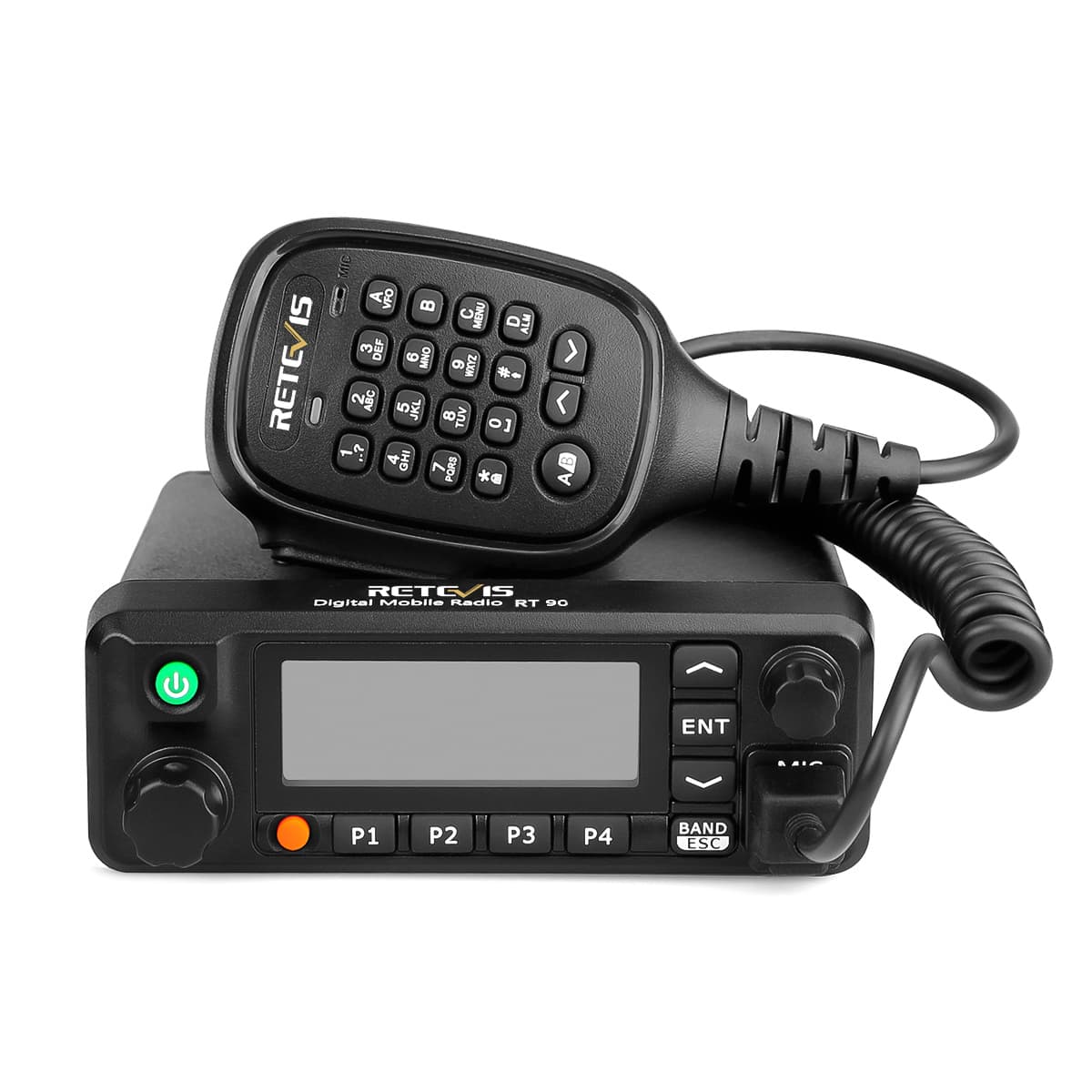
The RT90 is built like a traditional mobile rig, with a solid metal chassis that feels durable enough for mobile installations in vehicles or as a base station. The detachable control head is one of its most practical design features, allowing flexible mounting options in tight vehicle interiors.

The color display is bright and easy to read, showing detailed information such as channel, talkgroup, signal strength, and GPS data. The included microphone is straightforward and functional, with programmable buttons that add convenience during operation.

Overall, the design prioritizes practicality over aesthetics, but it is rugged and dependable.


Power and Performance

One of the standout features of the RT90 is its high power output:

  • Up to 50 watts on VHF
  • Up to 45 watts on UHF

This level of output makes it well-suited for mobile operation, long-distance repeater access, and rural communication where extra power can make a noticeable difference.

In analog mode, audio is strong and clear with good modulation. In digital mode, audio is typical of DMR radios—clean and intelligible, though slightly robotic in tone due to the nature of digital voice encoding.

Receiver performance is solid for its class, providing reliable sensitivity and selectivity for most amateur applications.


DMR Capabilities

The RT90 supports DMR Tier I and Tier II, making it compatible with most amateur DMR networks.

Key DMR features include:

  • Dual time slot operation (TDMA)
  • Private, group, and all-call functionality
  • Large channel and contact capacity
  • Text messaging capability
  • Basic encryption support (where permitted)

Dual time slot operation allows two simultaneous conversations on a single frequency, which is a major advantage when using repeaters.

This radio is well-equipped for both local and wide-area DMR communication.


GPS Functionality

The built-in GPS adds a valuable layer of functionality, particularly for:

Operators can transmit their position data, which can be useful in organized activities, public service events, or off-grid operations.

While it doesn’t replace dedicated APRS systems, it provides a useful level of situational awareness.


Features and Functionality

The RT90 is packed with features that make it highly versatile:

  • Dual-band coverage (VHF and UHF)
  • Dual standby and dual display
  • Extensive channel and zone organization
  • Analog and digital compatibility
  • CTCSS/DCS support for analog operation
  • Scanning and priority scan
  • Emergency alarm and safety features
  • VOX (voice-activated transmit)
  • Firmware upgrade capability

These features make it suitable for a wide range of use cases, from casual operation to more demanding communication setups.


Programming and Software

Programming the RT90 is done through PC software, which is typical for DMR radios. However, this is one of the weaker aspects of the unit.

The software interface can feel outdated and somewhat difficult to navigate, especially for those new to DMR. Creating and managing codeplugs requires time and a basic understanding of how DMR systems are structured.

Once properly configured, the radio performs reliably, but beginners should expect a learning curve.


Real-World Usability

In practical use, the RT90 performs well in a variety of scenarios:

  • Mobile installations for daily driving or travel
  • Base station setups with an external power supply
  • Accessing DMR repeaters and networks
  • Emergency preparedness and field communications

The ability to switch between analog and digital modes makes it especially useful for operators who use both traditional repeaters and newer digital systems.


Pros and Cons

Pros

  • High transmit power for extended range
  • Dual-band and dual-mode operation
  • Built-in GPS for added functionality
  • Large memory capacity for channels and contacts
  • Strong overall value for the price

Cons


Value for Money

The RT90 offers a strong balance of performance and features at a price point that is accessible to many amateur radio operators. It delivers capabilities typically found in more expensive radios, making it an appealing choice for those looking to expand into DMR.


Final Verdict

The Retevis RT90 is a powerful and feature-rich mobile DMR radio that delivers solid performance for its price. While it has some drawbacks—particularly in software usability—it makes up for them with strong output power, flexibility, and a wide range of features.

It is best suited for intermediate and experienced users, but beginners who are willing to learn DMR will find it a capable and rewarding radio.

Overall, the RT90 is a dependable choice for anyone looking to step into the world of mobile digital radio without breaking the bank.\

See The RT90 On Retevis.com 

Friday, April 3, 2026

BTECH UV-PRO IP67 Dual Band VHF/UHF Two-Way Radio Review


Overview

The BTECH UV-PRO is a modern dual-band handheld radio designed to bridge the gap between traditional analog radios and more advanced digital communication tools. Built for amateur radio operators, emergency preparedness users, and outdoor enthusiasts, it offers a wide range of features including GPS, Bluetooth connectivity, and app-based programming.

This radio goes beyond basic voice communication, incorporating data and messaging capabilities that make it stand out in a crowded market of handheld transceivers.

Design and Build Quality

The UV-PRO is built with durability in mind. Its IP67 rating means it is fully protected against dust and can withstand immersion in water for a limited time. This makes it well-suited for rugged environments such as hiking trails, construction sites, and emergency situations.

The body feels sturdy and well-constructed, with reinforced edges and solid materials. The buttons are tactile and responsive, making them easy to use even with gloves. However, the rugged design does add some bulk, making it slightly heavier and larger than more basic handheld radios.

Features and Technology

One of the biggest strengths of the UV-PRO is its extensive feature set.

Dual-Band Capability

The radio operates on both VHF and UHF frequencies, providing flexibility for different communication needs. This allows users to adapt to varying terrain and signal conditions.

Built-in GPS and APRS

The integrated GPS function enables location tracking and sharing. It also supports APRS, which is useful for transmitting position data and coordinating with other users in real time. This is especially helpful for group activities, search and rescue, and off-grid travel.

Bluetooth Connectivity

Bluetooth support adds a modern touch, allowing users to connect wireless accessories such as speaker microphones or even smartphones. This eliminates the need for cables and enhances convenience.

App-Based Programming

Programming the radio is significantly easier thanks to smartphone app support. Users can configure channels, adjust settings, and manage features directly from their phone, which is a major improvement over traditional manual programming methods.

Messaging and Data Functions

In addition to voice communication, the UV-PRO supports text messaging and data transmission between compatible radios. This adds a new level of versatility, making it useful for both personal and team communication.

USB-C Charging

The inclusion of USB-C charging is a practical feature that allows for easy recharging using common cables and portable power banks. This is especially valuable in field situations where access to standard chargers may be limited.

Performance

Transmission and Range

The UV-PRO delivers solid transmission performance typical of a 5-watt handheld radio. Its range depends on terrain and environmental factors, but it performs well for local communication and repeater use.

Audio Quality

Audio output is clear and sufficiently loud for outdoor use. The built-in speaker performs well, and the option to use Bluetooth accessories can further improve clarity.

Reception

Reception is generally good, though it may not match the sensitivity of simpler analog-only radios in certain situations. This appears to be a trade-off for the added digital features and complexity.

Ease of Use

The radio offers a mixed user experience. The app-based programming and Bluetooth connectivity make it more accessible than many traditional radios. However, the wide range of features can be overwhelming for new users.

There is a noticeable learning curve, especially when dealing with advanced functions like GPS tracking, APRS, and messaging. Once properly set up, however, the radio becomes much easier to use on a daily basis.

Battery Life

Battery performance is reliable for most use cases. The ability to charge via USB-C adds convenience, especially for users who rely on portable power sources. Keep in mind that using features like GPS and Bluetooth will increase power consumption.

Pros and Cons

Pros

  • Rugged IP67 waterproof and dustproof design
  • Advanced features including GPS, Bluetooth, and messaging
  • Easy programming through a smartphone app
  • USB-C charging for convenience
  • Strong overall value for the feature set

Cons

  • Bulkier and heavier than basic handheld radios
  • Learning curve for beginners
  • Reception may vary in certain conditions
  • Advanced features may be more than some users need

Who This Radio Is Best For

The BTECH UV-PRO is ideal for experienced users who want more than just basic communication. It is well-suited for amateur radio operators, emergency planners, and outdoor enthusiasts who need reliable and versatile communication tools.

It may not be the best choice for beginners who want a simple, no-frills radio for occasional use.

Final Verdict

The BTECH UV-PRO stands out as a feature-rich handheld radio that combines durability with modern technology. Its ability to handle both voice and data communication, along with conveniences like Bluetooth and app-based programming, make it a strong contender in its category.

While it does require some time to learn and may not outperform simpler radios in every scenario, its versatility and advanced capabilities make it a worthwhile investment for users who need more than just basic communication.

Check Out The BTECH UV-PRO On BaofengTech.com 

Anytone AT-778UV Dual Band Mobile Radio Review

Introduction The Anytone AT-778UV is a compact dual-band mobile transceiver designed for amateur radio operators who want a reliable, aff...

Search This Blog